Elderly Sometimes Sleep With Their Eyes Open
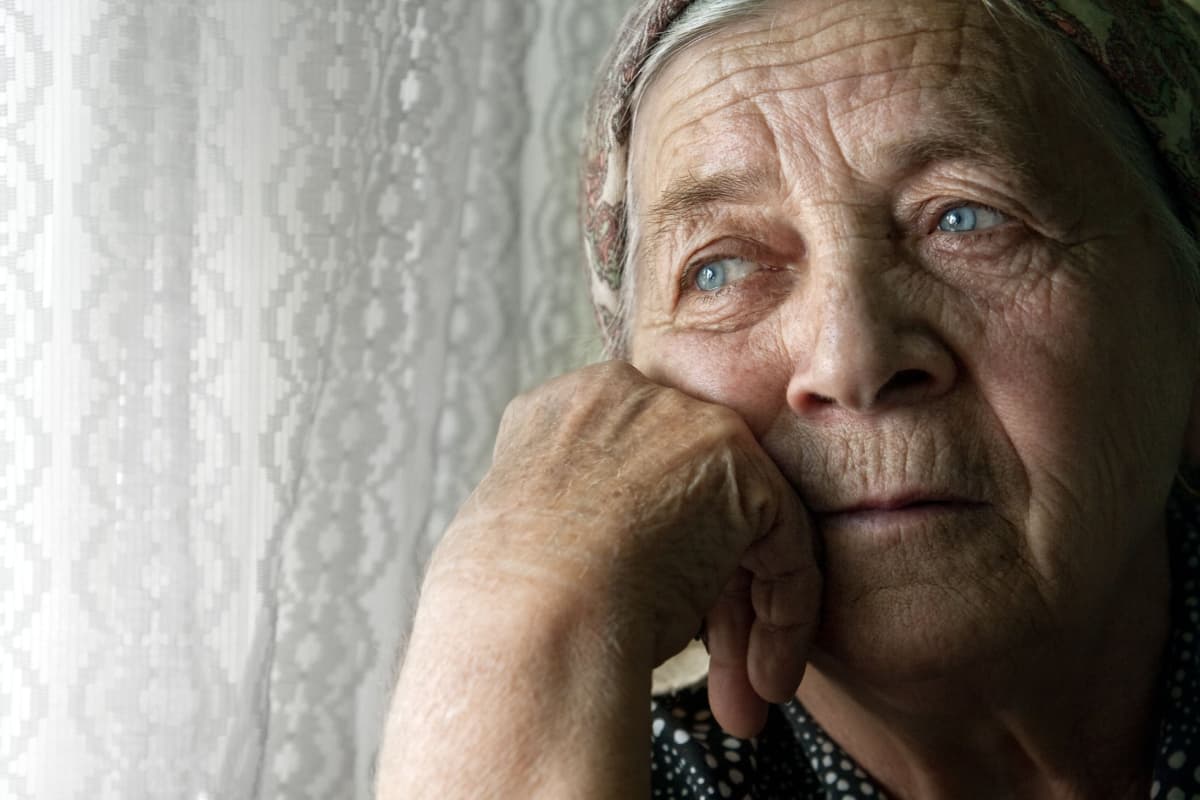
Have you ever noticed that some elderly people sleep with their eyes partially open? It might simply be a quirk or a trait that runs in the family, so most people might brush this off as something trivial. However, it's something you should seriously look into because it might be affecting the person's health and wellness.
Elderly people sometimes sleep with their eyes open because of a condition called nocturnal lagophthalmos. Nocturnal lagophthalmos is usually caused by a more serious underlying condition of facial muscles and nerves, so it's best to consult a doctor at once. Treatment can help improve the quality of sleep and overall wellness.
In this article, we'll discuss why an elderly person sometimes sleeps with their eyes open, what underlying conditions may be causing this, and what symptoms to watch out for. We'll also discuss the consequences of not having this condition checked and how you can improve the affected person's quality of sleep. Let's get started!
What Is Nocturnal Lagophthalmos?
Nocturnal lagophthalmos is the term used for sleeping with the eyes partially or fully open. The word "lagophthalmos" came from the Greek word "Lagos," which means "hare," because hares are said to sleep with their eyes open.
People who experience this condition do not know that their eyes are open or partially open while sleeping.
Nocturnal lagophthalmos is a fairly common condition that affects about 1 in every 20 people. However, it becomes more prevalent in the elderly because of age-related changes in the facial muscles and nerves.
What Causes Nocturnal Lagophthalmos in the Elderly?
Various conditions can lead to nocturnal lagophthalmos. Since the eyelids are muscles, any condition that may lead to muscle or nerve weakening can cause the eyelids to not fully close during sleep. The cause of nocturnal lagophthalmos can be either neurological or mechanical.
Neurological Causes
The following neurological conditions may cause nocturnal lagophthalmos:
- Bell's Palsy. Bell's palsy is a condition in which the facial nerve, specifically the 7th cranial nerve, becomes inflamed or damaged. Since the facial nerve controls the muscles of the face, damage or inflammation can affect the eyelids' ability to close.
- Stroke. A stroke is when blood flow to a portion of the brain is restricted. When the part of the brain that controls the facial muscles is affected, it can result in nocturnal lagophthalmos.
- Guillain-Barré Syndrome. This is a condition in which the immune system attacks the peripheral nerves. When the nerves that control the eyelids are damaged, it can lead to difficulty in closing the eyes.
- Moebius Syndrome. This is a rare condition that affects the cranial nerves responsible for facial expression and eye movement. Individuals with Moebius syndrome may have trouble closing their eyes.
Mechanical Causes
The following mechanical conditions may cause nocturnal lagophthalmos:
- Eyelid surgery or trauma. Surgery on or near the eyelids, or trauma that affects the eyelids, can change the way the lids close. This can lead to nocturnal lagophthalmos. Examples are blepharoplasty (eyelid lift), facial reconstructive surgery, or an injury that results in scarring on or near the eyelids.
- Exophthalmos or proptosis. This is when the eyeball protrudes from the eye socket more than normal. This makes it difficult for the lids to cover the eyes completely. This can be caused by conditions such as Graves' disease, tumors behind the eye, or orbital cellulitis.
- Floppy eyelid syndrome. This condition, often seen in obese individuals and those with obstructive sleep apnea, is characterized by very elastic upper eyelids that can easily be pulled away from the eyeball. During sleep, the eyelids might flip open.
Symptoms of Nocturnal Lagophthalmos
If you suspect your elderly loved one is sleeping with their eyes open, look out for the following symptoms:
- Dry, irritated eyes upon waking
- Red, bloodshot eyes
- Blurred vision in the morning that improves as the day goes on
- Excessive tearing during the day (the eyes compensate for dryness at night)
- A gritty or scratchy feeling in the eyes
- Light sensitivity
- Feeling tired even after a full night's sleep
Consequences of Not Treating Nocturnal Lagophthalmos
If left untreated, nocturnal lagophthalmos can lead to more serious eye conditions, including:
- Corneal damage. The cornea can become dry and damaged from exposure. In severe cases, this can lead to corneal ulcers, which can permanently affect vision.
- Eye infections. When the eyes are open during sleep, they are more susceptible to infections from bacteria and other pathogens.
- Poor quality of sleep. Even though the person is not aware of their open eyes during sleep, the resulting discomfort can lead to poor quality of sleep, which can affect overall health and well-being.
Treatment and Management
If you suspect that your elderly loved one has nocturnal lagophthalmos, consult a healthcare provider. The treatment depends on the underlying cause, but some general measures can help manage the symptoms:
- Eye drops or ointments. Lubricating eye drops or ointments can help keep the eyes moist during the night. Apply the drops or ointment just before bedtime.
- Eye masks or patches. Wearing an eye mask or a moisture chamber (a special goggle that retains moisture around the eyes) can help protect the eyes during sleep.
- Eyelid taping. In some cases, the healthcare provider may recommend taping the eyelids shut during sleep. Use medical-grade tape to avoid skin irritation.
- Surgery. In severe cases, surgery may be necessary to correct the underlying cause. This could involve procedures to reposition the eyelid, implant gold or platinum weights in the upper eyelid, or tighten the muscles around the eyelid.
Tips for Improving Sleep Quality
In addition to medical treatment, the following tips can help improve sleep quality for an elderly person with nocturnal lagophthalmos:
- Keep the bedroom humid. A humidifier can help prevent the eyes from drying out during the night.
- Avoid fans or direct airflow. Direct airflow over the face can increase eye dryness.
- Keep the room dark. Light can further irritate exposed eyes during sleep.
- Maintain a consistent sleep schedule. A regular sleep schedule can improve overall sleep quality.
Remember, nocturnal lagophthalmos is a medical condition that can be managed with proper treatment. If you notice any of these symptoms in your elderly loved one, don't dismiss them. Consult a healthcare provider for a proper diagnosis and treatment plan.

About Chip Mitchell
Chip Mitchell is the founder of Growing Gray USA. With over a decade of experience owning a home care company, he has helped hundreds of families navigate the complexities of caring for aging parents.
Read full bio →