11 Things To Do When Elderly Parents Keep Falling

Elderly parents may frequently fall due to impaired balance, decreased strength, and poor coordination. Memory problems and frailty caused by illness or injury can make the situation even more difficult for them. When your parents experience physical or mental decline, it can be challenging to know what to do.
When you have elderly parents who keep falling, it's essential to perform a home safety check and encourage them to join a fall prevention program. You may also arrange for assistance and provide adaptive equipment. Make sure they're in good health by checking in regularly.
1. Perform a Home Safety Check
A fall can cause serious injury to elderly parents, so it's essential to take steps to prevent accidents in the first place. A home safety check helps identify potential hazards and necessary home repairs or updates.
- Is the home well-lit, both inside and out? Poor lighting can lead to falls.
- Are there throw rugs or other tripping hazards? Remove them or make sure they're securely fastened down.
- Do all the stairways have handrails? Make sure they're in good condition and firmly attached. You can also install temporary stair railings. How to Install Temporary Stair Railings for the Elderly
- Are there any loose electrical cords or low-hanging light fixtures? These need to be repaired or removed.
- Are the floors properly maintained? Keep the floors clean and dry, and create a clear path from their bed to the bathroom.
2. Enroll Your Parent in a Fall Prevention Program
Another way to help your elderly parent prevent falls is by enrolling them in a fall prevention program. Programs typically include exercises and education about healthy living, as well as support from other senior members.
3. Talk To Your Parents About Their Fall Risk
As our beloved parents' age, their risk of falling increases due to vision changes, muscle weakness, and medications that can cause nausea or sleepiness. Educate them about fall risk factors so they can make informed decisions about their lifestyle choices.
4. Provide Adequate Nutrition and Hydration
Parents at risk of falling must eat a nutritious diet and stay hydrated. Adequate nutrition and hydration can help prevent falls by keeping muscles strong and bones healthy.
5. Educate Elderly Parents About the Nature of Falling
Falling is not only a physical injury but also an emotional one. They must understand the psychological effects of falling, such as feeling embarrassed or ashamed, fearing for their safety, or feeling like a burden to others.
6. Provide Regular Exercise Opportunities
Regular exercise can help elderly parents at risk of falling. Exercise can help enhance muscle strength, balance, and coordination, which can help prevent falls. Additionally, exercise can help increase bone density and reduce the risk of osteoporosis, a common cause of falls in the elderly.
7. Encourage the Use of Adaptive Equipment
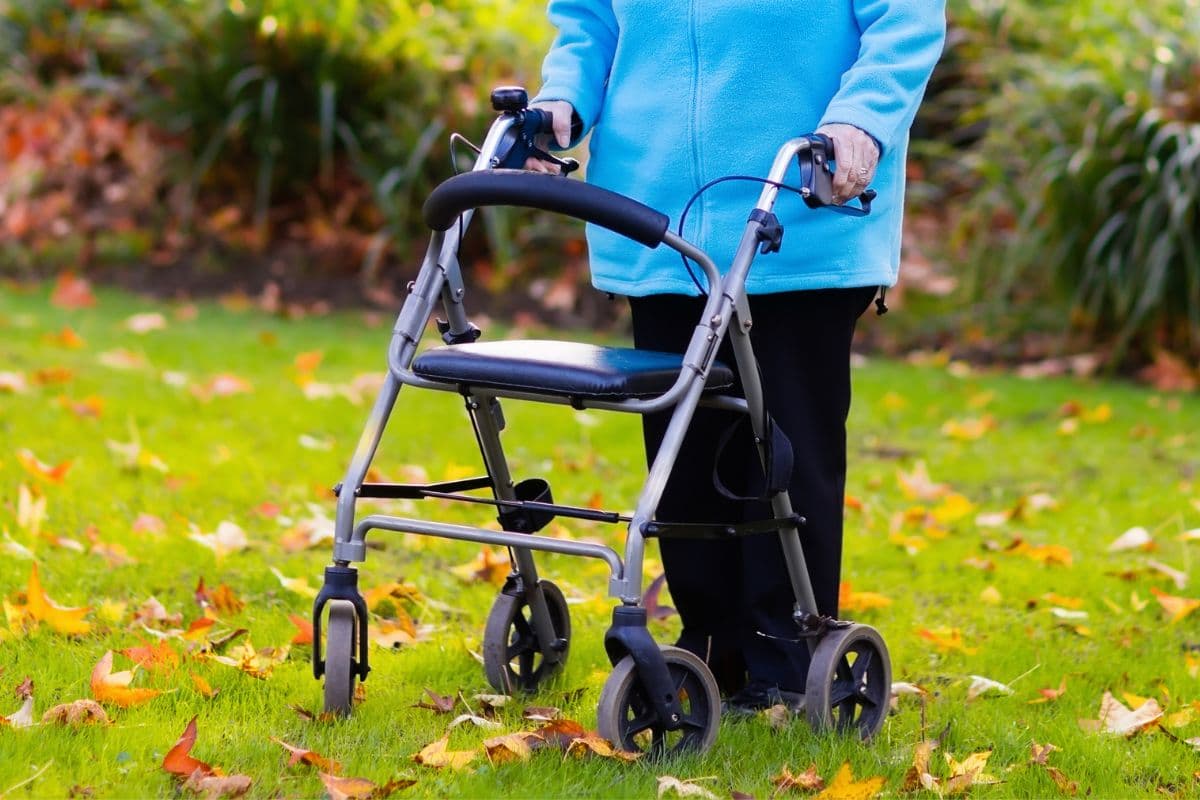
The use of adaptive equipment can help keep your elderly parents safe. For example, a light rollator can help prevent falls by providing support and stability.
8. Arrange for Assistance With Challenging Tasks
If you have an elderly parent at risk of falling, it's crucial to arrange for assistance with tasks that could lead to a fall. If you cannot assist elderly parents yourself, many organizations offer in-home care services for elderly parents.
9. Provide Assistance With Health Needs
When elderly parents fall more frequently, getting them appointments with doctors or dentists can be difficult. During this time, elder care professionals can help make the necessary arrangements for patients.
10. Discuss the Issue With Your Family Members
When a loved one starts experiencing falls, it's important for families to have an idea of what kind of service might be best suited for them. Create a plan with your partner or family member on what you will do if one of your elderly parents falls, gets sick, or needs assistance.
11. Take Action and Monitor Progress
Once you've identified the steps you can take to help your elderly parents, start implementing them. Monitor their progress and make adjustments as needed. Remember that falls can have serious consequences, so prevention is key.

About Chip Mitchell
Chip Mitchell is the founder of Growing Gray USA. With over a decade of experience owning a home care company, he has helped hundreds of families navigate the complexities of caring for aging parents.
Read full bio →