
People Who Should and Shouldn't Use a Rollator
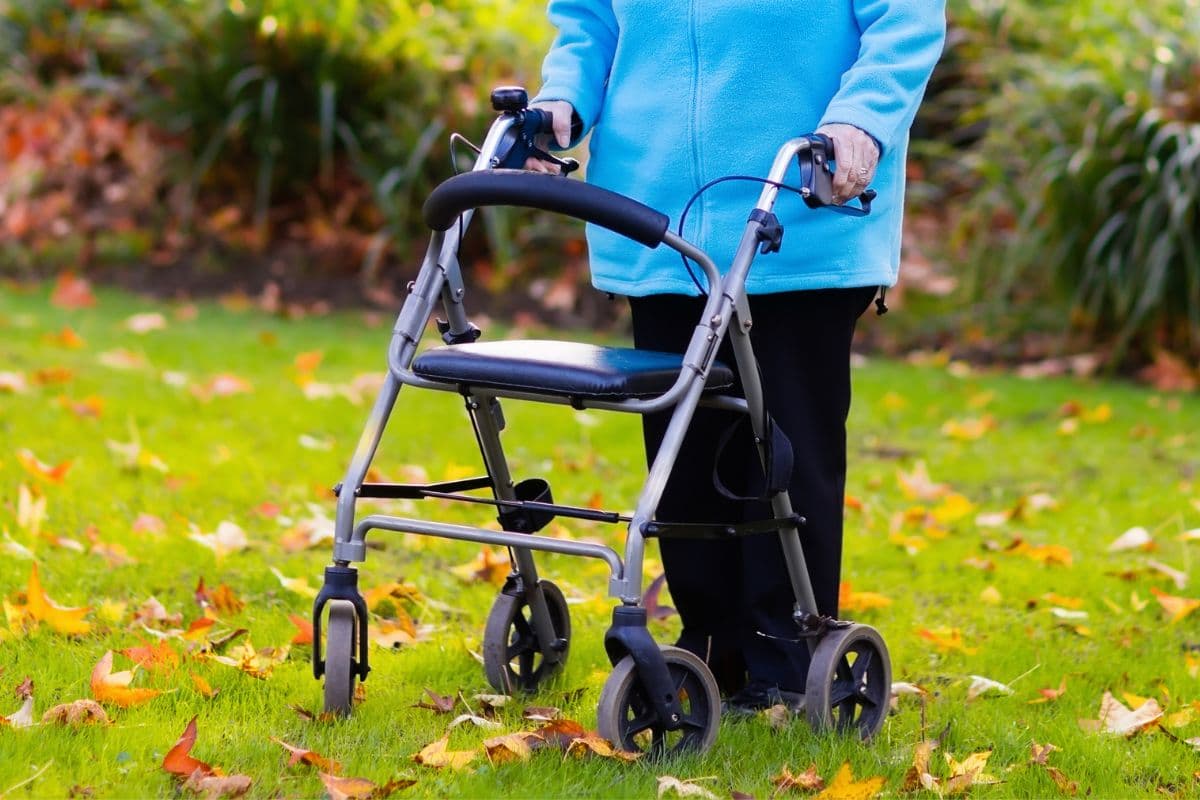
A rollator with three or four wheels may be more convenient than conventional walkers for many people because you don't have to lift it to move forward. But the ease of use and safety may not be a given for all aging parents and elderly people. So, who should and shouldn't use a rollator?
Aging parents and elderly people experiencing difficulties with standing and walking can use a rollator. But old people with alarming cognitive decline, impaired fine motor skills, and other severely debilitating conditions shouldn't use a rollator without supervision.
A rollator is a walking aid. Those with seats also enable a person to sit after locking the brakes. Read on to learn about people who should and shouldn't use a rollator based on their health condition.
Elderly People Who Should Use a Rollator
According to doctors, all senior citizens should use a walking stick or a similar walking aid to help with balancing and coordination. However, a rollator comes into the picture if the person is struggling to stand and walk.
Here are 10 common health conditions that might warrant the use of a rollator:
1. Arthritis
Approximately 60 million American adults have arthritis. Different types affect joints in the feet, hips, knees, and lower back. If your aging parents only have arthritis, you can definitely get a rollator for them.
2. Diabetic Neuropathy
~38 million people in the U.S. have diabetes. Symptoms include numbness, pain, and weakness in feet and legs, poor balance, and worsening debilitation. A rollator is helpful for aging people unable to walk without assistance.
3. Hemiparesis
Hemiparesis is one of the common motor impairments among stroke survivors. A rollator may be useful, but it is imperative to ensure the person can firmly grip the handlebar.
4. Multiple Sclerosis
~1 million Americans live with multiple sclerosis. Most will likely need some kind of walking aid due to difficulty walking, loss of balance, and muscle cramps.
5. Osteoporosis
~10 million Americans are diagnosed with osteoporosis. Weight-bearing exercises are necessary, so using body weight while walking with a rollator is effective and safe.
6. Parkinson's Disease
Parkinson's Disease slows normal movements. Standard walkers can increase instances of freezing, whereas rollators don't have such adverse effects.
7. Post Injuries
Any elderly person might need assistance while walking post-injury. General fatigue or frailness is also a significant reason to use a rollator.
8. Postural Sway
All old people will have reduced reflexes and balance compared to younger adults. A rollator can help overcome postural sway limitations.
9. Sarcopenia
People begin to lose skeletal muscle mass in their 40s. By the 80s, an elderly person loses as much as half of all muscle mass. A rollator is useful for any elderly person who isn't sufficiently strong to walk.
10. Tendinopathy
Tendinopathy is common among aging people. Since it may affect rotator cuff tendons in the shoulders, using rollators is easier than lifting a walker to move.
Aging People Who Shouldn't Use a Rollator
A rollator doesn't cure a health problem, and it isn't a substitute for a wheelchair. A person should be able to control and use a rollator. Key requirements:
- A user must be able to push a rollator and maneuver it while walking.
- A user needs to manually operate a rollator's brakes as needed.
- A user should have sufficient grasping ability to grip the handles.
- A user should have the ability to adjust height and realign wheels.
Here are six conditions that might make rollator use risky:
11. Apraxia
Apraxia is a neurological disorder that affects motor skills. Aging people with apraxia may not be able to lift their feet or walk normally despite intending to do so.
12. Ataxia
Ataxia affects balance, coordination, and walking. There's a risk of falling or losing grip if an aging person with a neurological disorder tries to use a rollator without supervision.
13. Amyotrophic Lateral Sclerosis
Amyotrophic lateral sclerosis destroys nerve cells, potentially leading to paralysis. It's more severe than multiple sclerosis.
14. Epilepsy
Anyone with a history of epilepsy shouldn't use a rollator without supervision. Seizures while using a rollator create fall and injury risks.
15. Hemiplegia
Hemiplegia is a severe form of hemiparesis that makes one side inactive and unresponsive.
16. Severe Dementia
Those with severe dementia may find the cognitive task of learning to use a rollator demanding. Assisted living, caregiving, or supervision is necessary. If you have an elderly parent with dementia, it's strongly recommended that you have them move in with you.

About Chip Mitchell
Chip Mitchell is the founder of Growing Gray USA. With over a decade of experience owning a home care company, he has helped hundreds of families navigate the complexities of caring for aging parents.
Read full bio →

