Can Stairlifts Be Used on Either Side of the Stairs?
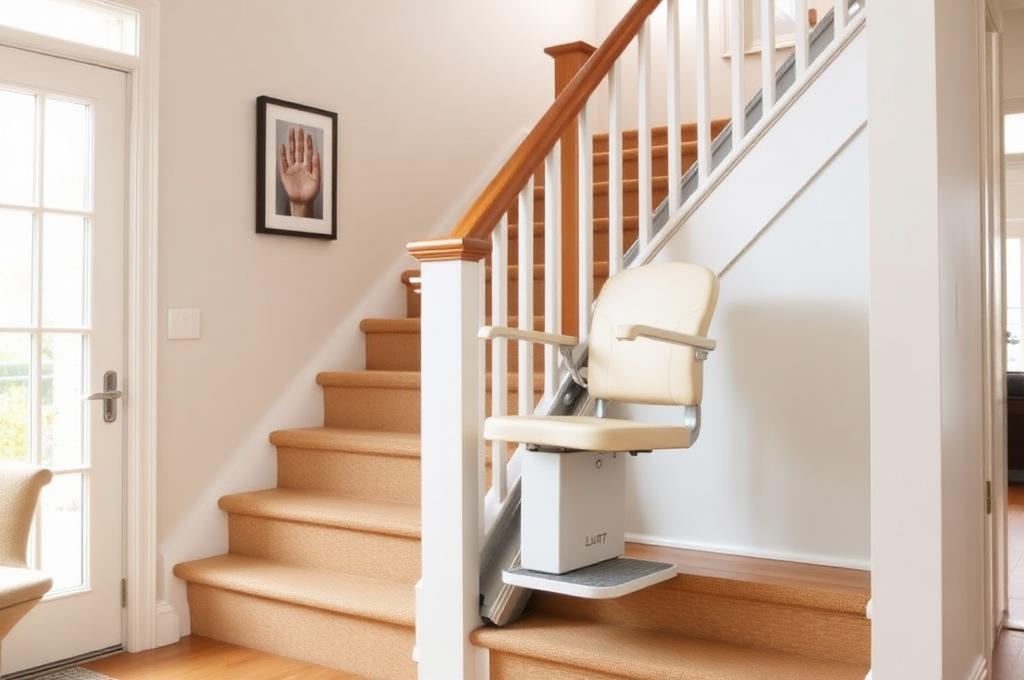
Installing a stairlift in the home of an aging loved one provides them with a sense of independence and gives family members peace of mind. Before investing in a stairlift for a relative, there are a few factors to consider. One of the most common questions is whether these assistive devices may be mounted on either side of the stairs.
Stairlifts can be used on either side of the stairs since they're track-mounted to the stair tread. Although usually installed along the wall, you can pick a side based on preference, ease of access, architecture, and obstructions. Some models suit either side, but most are left- or right-side only.
How Stairlifts Are Mounted
People are often under the assumption that stairlifts mount directly to the wall. Based on this assumption, it's believed that you can only install these assistive devices on the wall side. This is factually incorrect.
Stairlifts are mounted to a track attached to the tread of the stairs. After installing the track, the contractor affixes a carriage to it and then connects the chair to the carriage.
Since stairlifts do not attach to the wall, they aren't restricted to installation on the wall side only. With that said, stairlifts are most often mounted to the side of the wall, usually for aesthetic and practical purposes.
Before installing a stairlift, ensure there's enough space. In most cases, stairways must be at least 30 inches (76.2 cm) wide for safe installation and use.
Determining Which Side To Install a Stairlift
You can technically install a stairlift on either side of the staircase since it doesn't require a wall for mounting. However, there's usually a better side to mount the device.
First, there's preference. Second, most models are left- or right-side only. Fortunately, most companies offer free measurements as part of your consultation.
Access Space at the Base of the Stairs
There must be enough space at the bottom of the staircase for installation, practicality, and safety. The minimum amount of space required at the base of the stairs is usually around 24 inches (60.96 cm).
Landing Space at the Top of the Staircase
Once the stairlift reaches the top of the stairs, there must be enough space for the device to come to a complete stop. Your relative should have ample room to safely exit the stairlift.
Avoidance of Architectural Obstructions
Handrails, molding, doors, pathways, walls, and other architectural obstructions can take away from the required space. There are various makes and models of stairlifts available, including deeper seats, smaller tracks, and fold-up chairs. For narrow spaces, there are "standing" stairlifts that allow the person to assume more of a standing position.
Outlets and Electrical Considerations
The majority of stairlifts use electricity in combination with battery backups. These assistive devices often require electrical outlets within a maximum of 10 feet of the top or bottom of the stairway.
If you want to install stairlifts, you may want to know whether they're attached to the wall. Are Stairlifts Attached to the Wall? What You Should Know
Conclusion
By knowing on which side to install a stairlift, you can help your relative choose a model that's suitable for them and their home. After the installation, your loved one will have a new sense of freedom.

About Chip Mitchell
Chip Mitchell is the founder of Growing Gray USA. With over a decade of experience owning a home care company, he has helped hundreds of families navigate the complexities of caring for aging parents.
Read full bio →