
PawPaw goes to physical therapy five days a week, choir on Mondays, church on Sundays, and dinner out once or twice a week. He is 79. He has Parkinson's Disease. His wife Loretta died in a car accident on their anniversary two years ago, and he was driving. He has carried that.
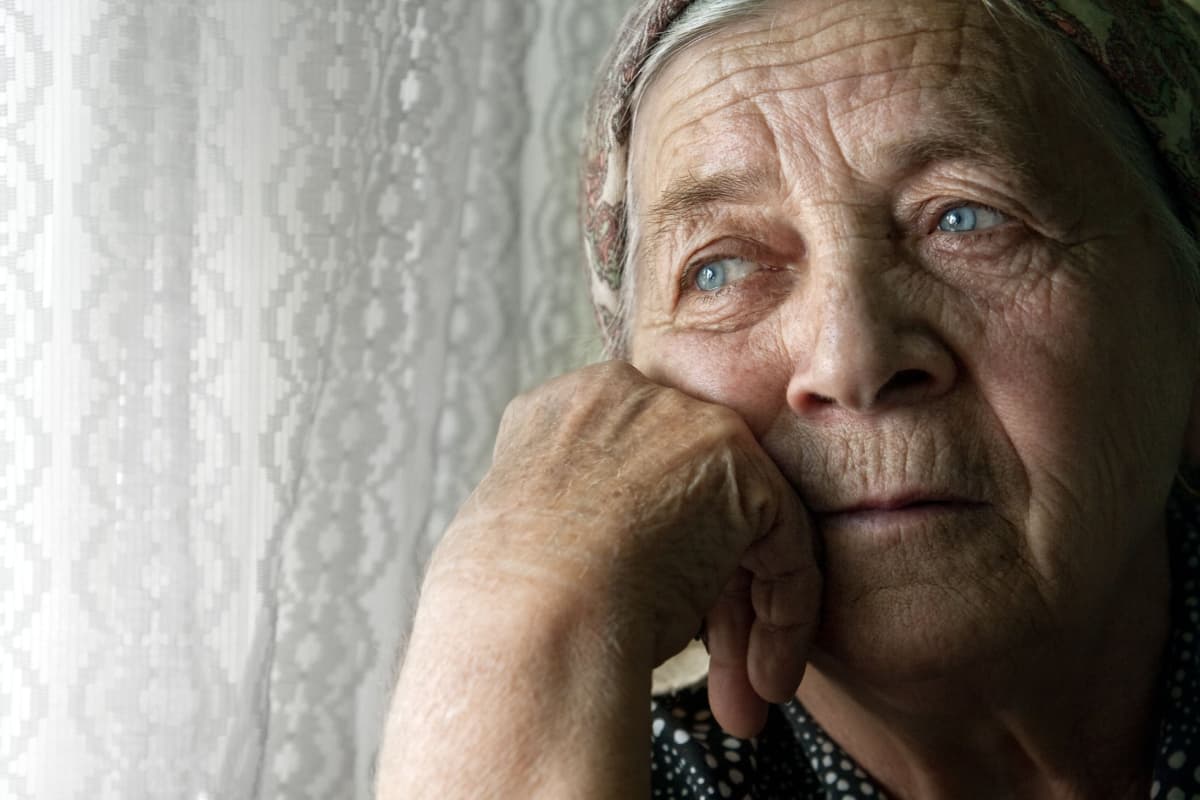
And yet — there are mornings when getting out of bed is a fight. Some mornings it's purely physical: Parkinson's stiffens the muscles overnight, and the freezing that comes with the disease makes the first movements of the day genuinely difficult. Other mornings there's something else in the room. A heaviness that has more to do with grief and loss than with any physical limitation.
The most important thing I've learned is that these two situations — can't get up and won't get up — look similar from the outside and require completely different responses.
The Distinction That Matters Most
When an elderly person can't get out of bed, the problem is physical: weakness, pain, poor bed height, insufficient upper body strength, or a neurological condition affecting movement. The response is equipment, physical therapy, and medical evaluation.
When an elderly person won't get out of bed, the problem is usually psychological: depression, grief, loss of purpose, the absence of anything they want to get up for. The response is connection, engagement, a reason to be vertical, and if the pattern persists, a conversation with the doctor about depression.
The Physical Causes
Parkinson's disease causes morning stiffness and freezing — the body's inability to initiate movement despite wanting to. This is medical, not motivational. It responds to medication timing, warm-up exercises done while still in bed, and physical therapy techniques specifically designed for Parkinson's motor challenges.
Pain makes the first movements of the day the hardest. A person who has learned that getting up hurts will resist getting up. Pain management — timing medication for maximum morning effect, heat application before rising — can change this dynamic significantly.
Many medications prescribed to elderly people cause drowsiness or dizziness in the morning. If the pattern started after a new medication was introduced, that's information worth reporting to the physician.
The Psychological Causes
Depression in elderly people often manifests as withdrawal rather than visible sadness. Staying in bed is a classic presentation. Depression is treatable at any age and is dramatically undertreated in elderly people. If the pattern is new and persistent, bring it to the doctor and use the word depression.
PawPaw lost Loretta on their anniversary. That grief doesn't have a finish line. The response is presence, patience, and giving him something to get up for. The boys' Friday nights. Choir on Monday. PT on Tuesday. The rhythm is what works — not a lecture about getting up, but a schedule that fills the week with things worth being vertical for.
Chip Mitchell spent over 10 years owning and operating a home care company in Northwest Georgia. He currently cares for his father-in-law, PawPaw, who has lived with Parkinson's Disease for 20 years.

About Chip Mitchell
Chip Mitchell is the founder of Growing Gray USA. With over a decade of experience owning a home care company, he has helped hundreds of families navigate the complexities of caring for aging parents.
Read full bio →