
How to Install Temporary Stair Railings for the Elderly
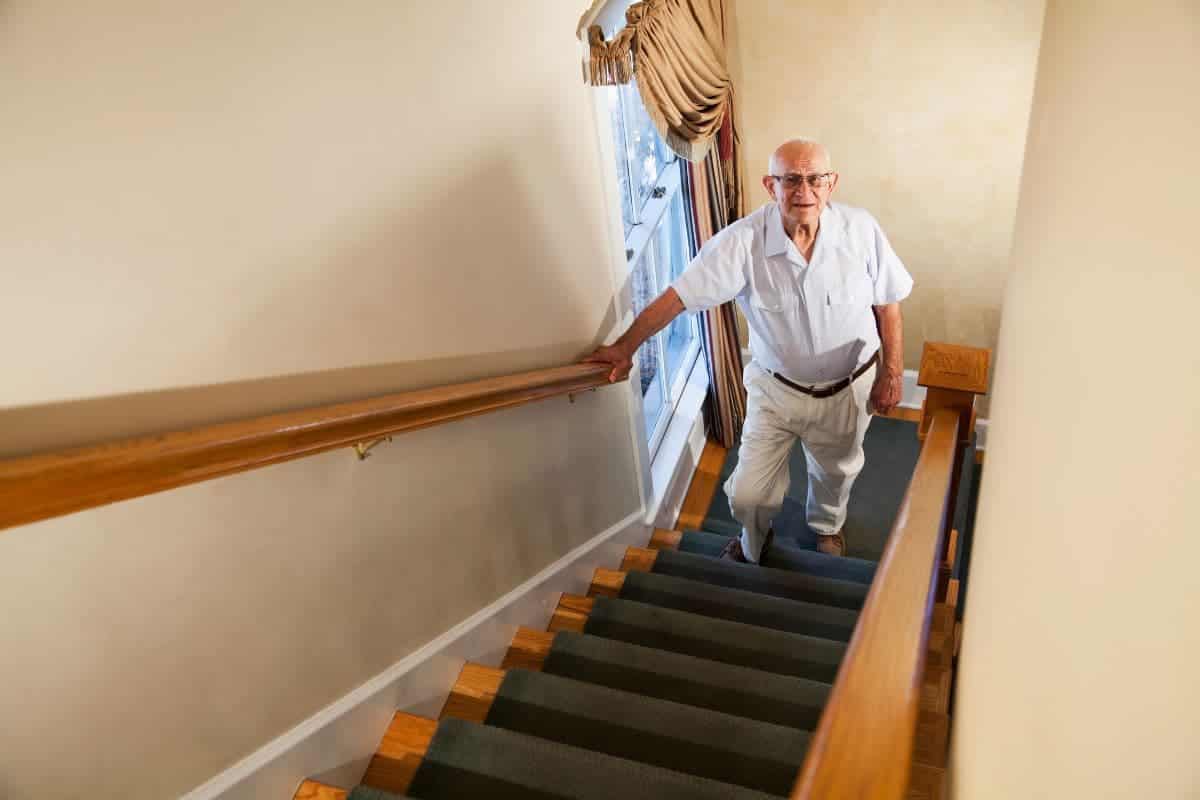
Are you worried that a senior loved one might slip and fall down the stairs? Installing temporary stair railings can add confidence and safety to the situation.
To install temporary stair railings for the elderly, you'll first need to assemble the necessary tools and materials. You'll then need to choose the right mounting hardware. Next is to observe the step-by-step instructions provided by the manufacturer before testing the railings.
1. Assemble the Required Tools and Materials
- Temporary stair railing kit: Includes the railing, mounting hardware, and installation instructions.
- Screwdriver or drill: To attach the railing to the wall or stair treads.
- Measuring tape: To measure the length of the stairs.
- Level: To ensure the railing is installed at the correct angle.
- Pencil or marker: To mark the location of the railing.
2. Choose the Right Mounting Hardware
Surfaces like drywall, wood, and concrete may require different types of mounting hardware. Think about the weight and stability of the railing—pick mounting hardware that's strong enough to hold anyone using it.
3. Prepare the Staircase for Installation
Remove any obstacles from the staircase and clean it thoroughly. Inspect the stairs and surrounding walls for any damage or repairs needed.
4. Observe the Manufacturer's Step-by-Step Instructions
- Calculate the number of railing sections needed.
- Mark the locations for the railing using a level tool.
- Install the mounting hardware (may require drilling).
- Put the railing sections on the mounting hardware.
- Check the temporary stair railing to make sure it's secure and stable.
5. Test the Temporary Stair Railings After Installation
Check the railings for stability and security. Apply pressure by gripping them firmly. Make any necessary adjustments.
The Benefits of Temporary Stair Railings
- Increased Safety: Reducing the risk of falls and injuries.
- Increased Independence: Helping elderly users maintain independence.
- Easy to Install and Remove: Without causing damage to the home.
- Versatility: Many styles and materials available.
Cleaning and Maintaining Temporary Stair Railings
Dust with a soft, dry cloth. Use a mild cleaning solution and soft damp cloth. Regularly check for signs of wear or damage including loose screws, cracks, or dents.
When Are Temporary Stair Railings No Longer Suitable?
If the user's mobility has significantly declined, even with the help of railings, they may still be at risk. It may be necessary to consider permanent stair railings or moving to a single-level home.

About Chip Mitchell
Chip Mitchell is the founder of Growing Gray USA. With over a decade of experience owning a home care company, he has helped hundreds of families navigate the complexities of caring for aging parents.
Read full bio →