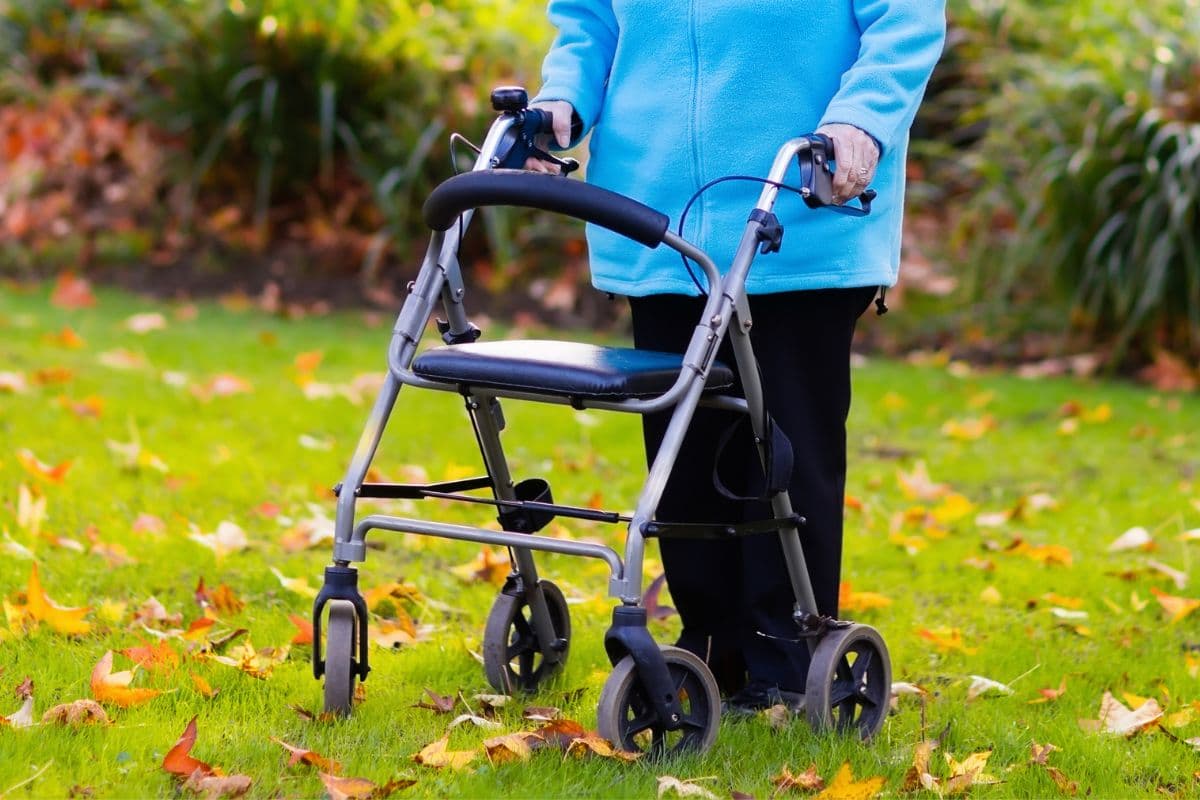
Make a Kitchen Safer for the Elderly
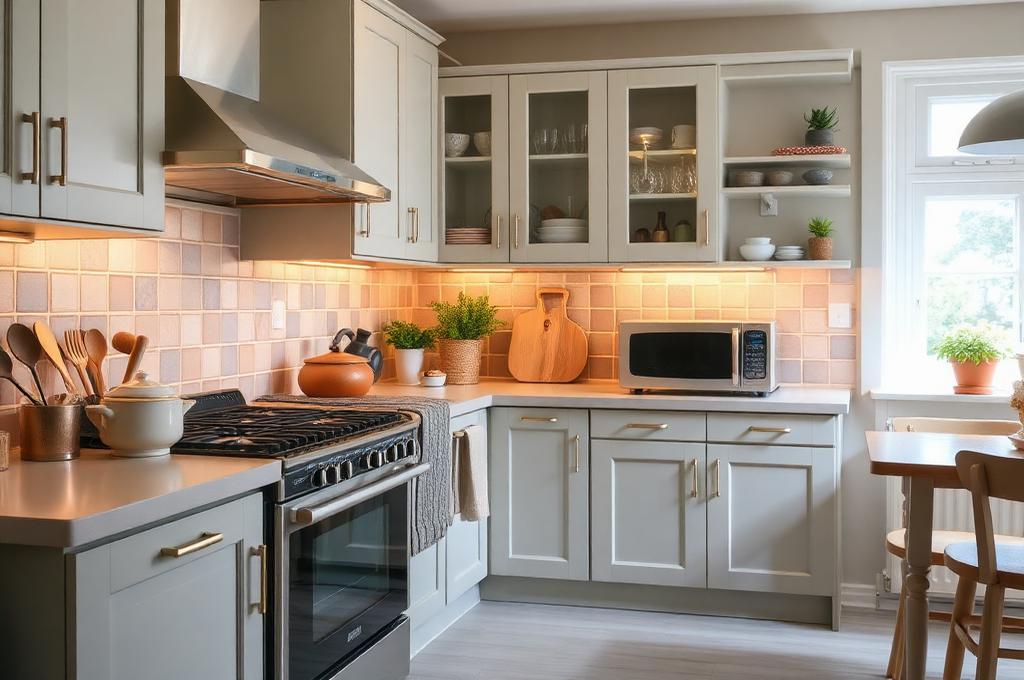
The kitchen was where Sally's situation became impossible to ignore. She'd been managing on her own on Saddle Mountain — her independence, her cats, her wine — but the stove was a live risk that her caregiver watched closely every shift. Not because Sally was negligent, but because dementia and an unsupervised stove are a dangerous combination that doesn't announce itself before it becomes a crisis.
The kitchen is where a significant number of elderly home injuries happen — burns, falls, fires, cuts. Most of them are preventable with the right modifications. Here's what actually matters, prioritized by impact.
The Stove — Highest Priority
Automatic Shut-Off Devices
Products like Stove Guard and iGuard Stove monitor stove use and shut the burners off automatically if no movement is detected in the kitchen for a set period. For anyone with dementia or significant forgetfulness, this is the first thing to install. These are not expensive and they directly address the single most common kitchen fire risk.
Consider Switching to Induction
Induction cooktops don't produce open flame and the surface stays cool to the touch — only the cookware heats up. For a parent who still wants to cook but whose judgment has become unreliable, the absence of a hot surface is a meaningful safety improvement. Many models have built-in auto-shutoff.
Smoke Detector and Fire Extinguisher
A smoke detector in the kitchen tested monthly and a lightweight fire extinguisher mounted on the wall — visible, accessible, not stored in a cabinet. The detector and extinguisher exist for the time when everything else fails.
Floors and Movement
Eliminate Throw Rugs
Throw rugs in kitchens are a trip hazard for everyone and a serious fall risk for elderly people with reduced foot clearance or a Parkinson's shuffling gait. Remove them. If the floor is slippery, apply anti-slip coating or replace with textured vinyl.
Keep Pathways Clear
Walk the kitchen with fresh eyes from a fall-risk perspective. Everything on the floor that doesn't need to be there is a potential trip. Step stools are a particular risk — a parent who needs something above reach should have a reacher tool, not a stool they might fall from.
Accessibility and Reach
The items your parent uses daily should be between waist and shoulder height — no reaching up, no bending down. Reaching above shoulder height and bending below the knee are both fall-risk movements for elderly people. Reorganize the cabinets so daily-use items are at the most accessible tier. A quality reacher tool eliminates the need to overextend or use a step stool and costs about $20.
Lighting
Elderly eyes need significantly more light than younger eyes — roughly two to three times more. Poor kitchen lighting contributes directly to falls, burns, and medication errors. Upgrade to the brightest LED bulbs the fixtures can handle, add under-cabinet lighting over countertops where food prep happens, and consider motion-sensor lights that turn on automatically when someone enters the kitchen at night.
For Parents With Dementia
The kitchen risk profile is fundamentally different when dementia is involved. Automatic stove shut-off is essential, not optional. Sharp items should be in a hard-to-access drawer. Glass should be replaced with plastic or unbreakable alternatives. And the question of whether independent kitchen use is still safe should be assessed honestly and regularly. Sally's kitchen had Sally in it, which meant it needed a caregiver in it too. The modifications only go so far. At some point, supervision is the modification.
Chip Mitchell spent over 10 years owning and operating a home care company in Northwest Georgia. He currently cares for his father-in-law, PawPaw, who has lived with Parkinson's Disease for 20 years.

About Chip Mitchell
Chip Mitchell is the founder of Growing Gray USA. With over a decade of experience owning a home care company, he has helped hundreds of families navigate the complexities of caring for aging parents.
Read full bio →