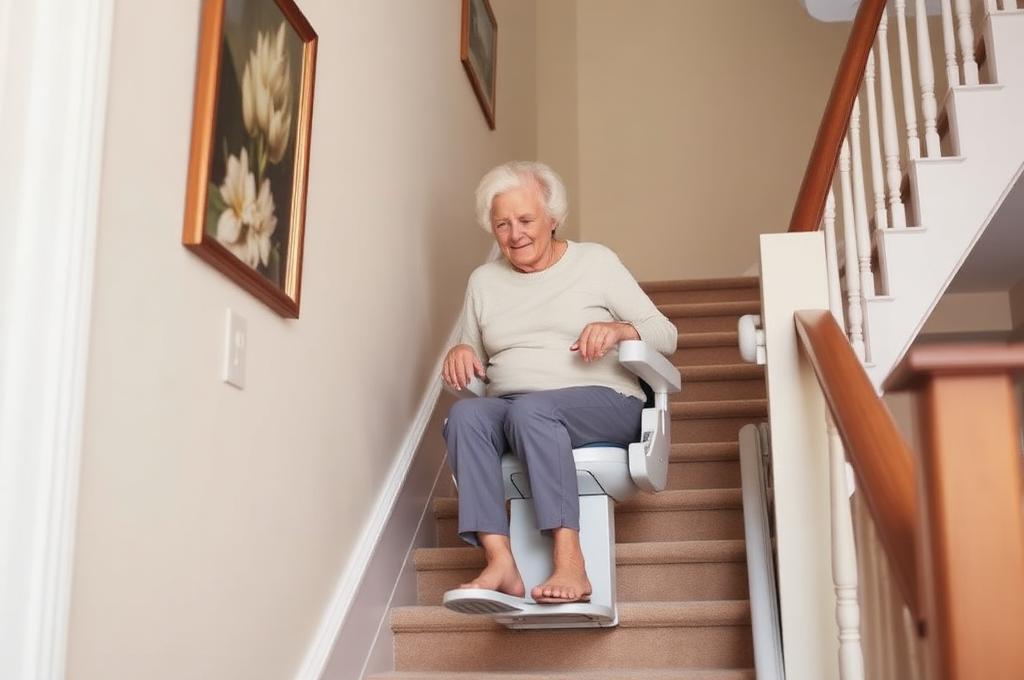
Stairlifts help the elderly and disabled go about their daily activities without having to climb up and down a flight of stairs. Although they are not designed to run at high speed, it can be frustrating when the stairlift runs slower than usual. What causes this?
Stairlifts are so slow to keep the user safe. Running at high speed may put the user at risk of falling while sitting on the lift. Other causes include dead batteries or a faulty charger, and sometimes the stairlift simply needs to be lubricated.
This article will list and explain the reasons stairlifts are so slow. If you're keen on understanding more, read on!
1. The Slow Speed Is a Safety Precaution
Stairlift manufacturers understand that high speeds or sudden acceleration can be dangerous for the user, even if they are able-bodied. In addition to running at a slow and constant speed, stairlifts have seatbelts to help keep the user safe.
The average speed of a stairlift is around 3 seconds per tread. Typical stairs have 12 treads on average. This means it would take about 36 seconds to go up or down the staircase.
The slow speed is, therefore, normal for a stairlift but if you think that your stairlift is operating slower than usual, continue to the following steps for some troubleshooting tips.
2. The Current Speed Is Set to the Minimum
Speed varies among stairlifts, but they are usually set around 0.15 to 0.34 mph (0.24 - 0.54 km/h). Some people prefer the slowest setting, especially when they have serious difficulty moving and feel more comfortable with a gentle ride.
Using stairlifts can also be scary for folks who fear heights, so some might prefer using them at the minimum possible speed. However, if you're frustrated about how slow your lift takes you from one floor to another, consider checking whether the device is set at the minimum speed.
Typically, a stairlift's maximum speed is twice its slowest configuration, although this varies for every manufacturer. That said, check your instruction manual to find out the stairlift's maximum speed.
The manual also contains detailed information on how to adjust the speed. Do Stairlifts Have Different Speed Settings?
3. You Need To Replace the Battery
A common reason your stairlift may be unusually slow or intermittently stopping during use is that the battery needs replacement.
Stairlifts run on motors that are powered by rechargeable batteries inside the carriage.
In standard configurations, most stairlifts automatically go to charge points on either end of the track to recharge when not in use. This ensures that the stairlift is supplied with sufficient power every time it is needed.
However, as with every battery-operated device, stairlift batteries have a limited lifespan, which depending on the load, frequency of use, and the length of the staircase can last from 2 to 5 years.
The limited battery life means that through continued use, the electricity stored in the battery gets reduced over time and may reach a point where the power it supplied to the motor is no longer enough for normal operation.
As such, most stairlift vendors recommend that you replace the batteries every three years.
It's usually easiest to buy replacement batteries for the stairlift from the same company that installed it, and you should never attempt to replace them yourself because it involves dismantling the stairlift.
4. The Charger Needs Repair or Replacement
If you have recently replaced your stairlift's batteries, but it is still running slowly, the issue could be with the battery charger.
A faulty battery charger doesn't deliver enough power to the battery, resulting in a slow stairlift. A damaged stairlift battery charger could be due to faulty electrical wiring or dirty charger contacts.
A telltale sign that the charger isn't working correctly is if your stairlift makes a continuous beeping sound.
If you find that the charger isn't powering up the batteries as it should, your best bet is to buy a new charger.
5. Your Stairlift Needs To Be Lubricated
Over time, corrosion can cause friction between the stairlift rail and the clamp connecting it to the chair. This is easy to detect as you may hear a squeaky sound every time it's used.
In addition to the annoying sound, a lack of lubrication can cause stairlifts to move slower than the programmed speed. Most stairlift manufacturers recommend lubricating the rail every two to three months.
6. The Roller is Broken
Worn-out rollers can also be a possible reason your stairlift is moving extra slowly. The rollers on your stairlift rely on high friction to roll and move up and down the rail securely.
When your rollers lose this friction through everyday use, you may also notice your stairlift making a grinding noise during use.
Replacing rollers shouldn't be undertaken by a layperson, as it requires careful installation to maintain the correct leveling. As such, contact your stairlift service provider to assist.
In the meantime, always make sure you clean the rail regularly to remove accumulated dirt and dust. Also, remember not to use abrasive chemicals to clean the stairlift, as these can remove the friction on the rollers.

About Chip Mitchell
Chip Mitchell is the founder of Growing Gray USA. With over a decade of experience owning a home care company, he has helped hundreds of families navigate the complexities of caring for aging parents.
Read full bio →